
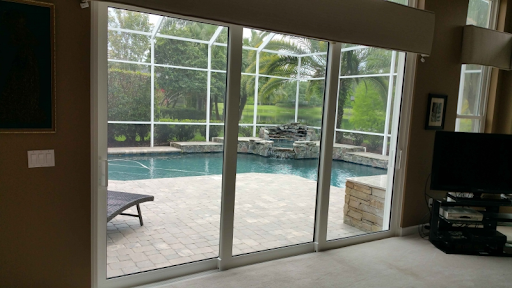
Architectural design today emphasizes open layouts, natural light, and seamless indoor–outdoor transitions that enhance both aesthetics and functionality. Large glazed openings are no longer an afterthought but a central feature in residential and commercial projects. In the middle of this design collaboration process, a qualified patio sliding door supplier becomes an essential partner, helping architects translate creative concepts into structurally sound and code-compliant installations. By coordinating early in the planning phase, architects and suppliers ensure that performance standards, structural requirements, and visual goals align smoothly from concept development through final installation.
Early Design Consultation And Specification Planning
Architects typically involve a patio sliding door supplier during the schematic design stage to evaluate size limitations, structural support needs, and glazing performance requirements. Early consultation prevents later redesigns that can occur if door dimensions conflict with load-bearing walls or header requirements.
During specification planning, the patio sliding door supplier provides technical drawings, load ratings, and thermal performance data. This information helps architects confirm that their proposed openings meet energy efficiency codes, wind resistance standards, and local building regulations while preserving the intended visual impact.
Customization And Aesthetic Alignment
Modern architectural projects often demand custom finishes, slim sightlines, and large-format glass panels. A reliable patio sliding door supplier works closely with architects to match frame finishes, hardware styles, and glazing options with the overall design language of the project.
For luxury homes and commercial spaces, visual consistency between windows and sliding doors is critical. By collaborating with a patio sliding door supplier, architects ensure that materials, proportions, and color palettes remain cohesive throughout the building envelope, enhancing architectural harmony.
Structural Coordination And Engineering Support
Large sliding systems require precise engineering calculations to support weight distribution and ensure smooth operation. A professional patio sliding door supplier assists architects in reviewing structural reinforcements, threshold detailing, and integration with surrounding walls.
This coordination helps prevent deflection, air leakage, and water infiltration issues. By working alongside a patio sliding door supplier, architects can confidently specify multi-panel or corner-opening systems without compromising long-term performance or safety.
Performance Testing And Compliance Requirements
Energy efficiency and building compliance are central to contemporary architecture. A knowledgeable patio sliding door supplier provides documentation related to thermal ratings, sound insulation, and impact resistance testing.
Architects rely on this data when submitting plans for approval or meeting sustainability certifications. With guidance from a patio sliding door supplier, projects are more likely to satisfy local code requirements while maintaining design intent and operational efficiency.
Installation Coordination And On-Site Support
Even the best design can underperform if installation is not handled correctly. A trusted patio sliding door supplier often coordinates with contractors to confirm installation tolerances, flashing details, and alignment standards.
During construction, collaboration between the architect, contractor, and patio sliding door supplier ensures that openings are prepared accurately and that structural supports match the specified system dimensions. This reduces the risk of delays, rework, and warranty issues.
Long-Term Maintenance And Service Planning
Architects must also consider long-term usability and maintenance access. A reputable patio sliding door supplier provides information on service intervals, replacement parts, and warranty coverage.
By incorporating maintenance guidelines into project documentation, architects help building owners protect their investment. Partnering with a dependable patio sliding door supplier ensures that sliding systems remain functional and visually appealing for years after project completion.
Conclusion
Architects collaborate closely with suppliers to ensure sliding door systems meet aesthetic goals, structural demands, and regulatory standards while delivering long-term durability and performance. By aligning sliding systems with complementary solutions such as front door supply, projects achieve a unified entrance design strategy that enhances both functionality and architectural appeal.