
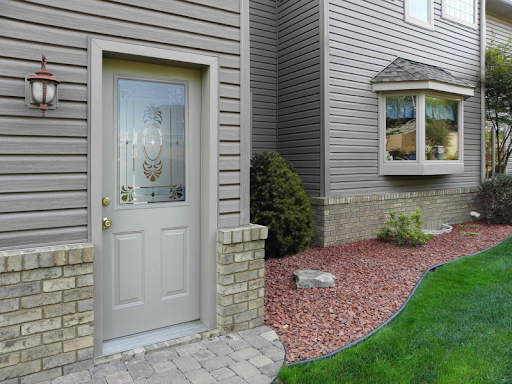
Selecting the right entry door is not just an aesthetic decision—weather plays a major role in determining which materials, finishes, and structural features offer the longest-lasting performance. For homeowners seeking durability and visual appeal, understanding how weather affects front door supply recommendations is essential. Climate conditions such as humidity, temperature changes, heavy rainfall, strong winds, and sun exposure all influence how a front door performs over time. Because of this, suppliers assess environmental factors carefully before suggesting the best door options for each home.
Why Climate Matters In Front Door Selection
Protecting Against Moisture And Humidity
In regions with high moisture levels, doors must resist swelling, warping, and rot. Humidity can dramatically affect wooden doors, causing them to expand or contract depending on the season. This leads to difficulty opening and closing, weakened structural integrity, and potential gaps that reduce energy efficiency. A reliable front door supply provider recommends moisture-resistant materials such as fiberglass or treated composite options for homes in wet or coastal environments.
Managing Extreme Temperature Fluctuations
Temperature changes throughout the year can cause certain materials to shrink or expand. This impact is especially noticeable in climates with very hot summers and cold winters. Metals such as aluminum may conduct heat quickly, while certain woods may respond unpredictably to extreme temperature swings. Suppliers take these fluctuations into account to ensure the door frame and slab maintain their shape, preventing drafts and maintaining insulation.
Material Recommendations Based On Weather Conditions
Wooden Doors: Best For Moderate Climates
Wood remains a popular choice due to its classic appearance and customization options. However, it performs best in areas with stable weather conditions. Wood requires sealing and regular maintenance to protect against moisture, UV rays, and temperature shifts. When recommending wood, suppliers evaluate the home’s exposure level, ensuring the door is shielded by porches or overhangs.
Fiberglass Doors: Ideal For Harsh And Variable Weather
Fiberglass is one of the top options recommended by many front door supply experts because it resists warping, swelling, and cracking. It mimics the look of wood but requires minimal upkeep. Fiberglass also handles hot and cold temperatures well, making it suitable for homes that experience regular weather fluctuations.
Steel Doors: Excellent For Security And Harsh Winters
Steel provides superior strength, making it a strong choice for security-focused homeowners. It performs well in colder climates, offering excellent insulation. However, steel can be prone to scratches or dents, and in coastal regions, it needs a proper coating to prevent corrosion from salty air.
Additional Design Recommendations Based On Weather
Storm Doors For Added Protection
In storm-prone areas, adding a secondary storm door can help protect the main entry door from debris, rain, and strong winds. It also increases insulation and reduces wear on the primary door over time.
Proper Threshold And Frame Selection
Even with the right door material, an inadequate threshold or frame can undermine durability. Weather-resistant frames with reinforced seals help prevent water intrusion during heavy rainfall or snow accumulation. A reputable front door supply provider always ensures that thresholds and frames match the environmental needs of the home.
Integrating Patio Door Considerations
Many homeowners updating their entry door also upgrade sliding or garden doors. Toward the end of the process, discussing secondary suppliers, such as a patio sliding door supplier, becomes useful. Matching materials, finishes, and energy-performance ratings across all exterior doors ensures a cohesive look and consistent protection from the elements.
Conclusion
Weather conditions heavily influence the materials, finishes, and construction features recommended for any entryway upgrade. From moisture levels to temperature fluctuations, every environmental factor plays a part in determining which door will deliver long-term performance. A trusted front door supply provider evaluates these conditions carefully, ensuring homeowners receive durable, energy-efficient, and climate-appropriate solutions. With proper guidance and a focus on weather-resilient materials, homeowners can enjoy doors that not only enhance curb appeal but also stand up to changing conditions year after year.